Part 1 – Our Long Infancy
We depend upon the land. We live on it. We use it. And sometimes, we cherish it. In our hearts, we know we cannot live apart from it, though we often blind ourselves to that fact in misguided efforts to use its bounty.
We do not fully know from whence we came. We speculate. We dig back through the mists of time, parsing stone and bone for hints. Savannah? Forest? Our origins are mystery writ in fragments and shards – puzzle pieces scattered across tectonic geologies – buried by winds or flooded by seas. A puzzle forming a picture defined across ages and migrations by our relationships with the lands that nurtured us. But one certainty remains – we came from the land.
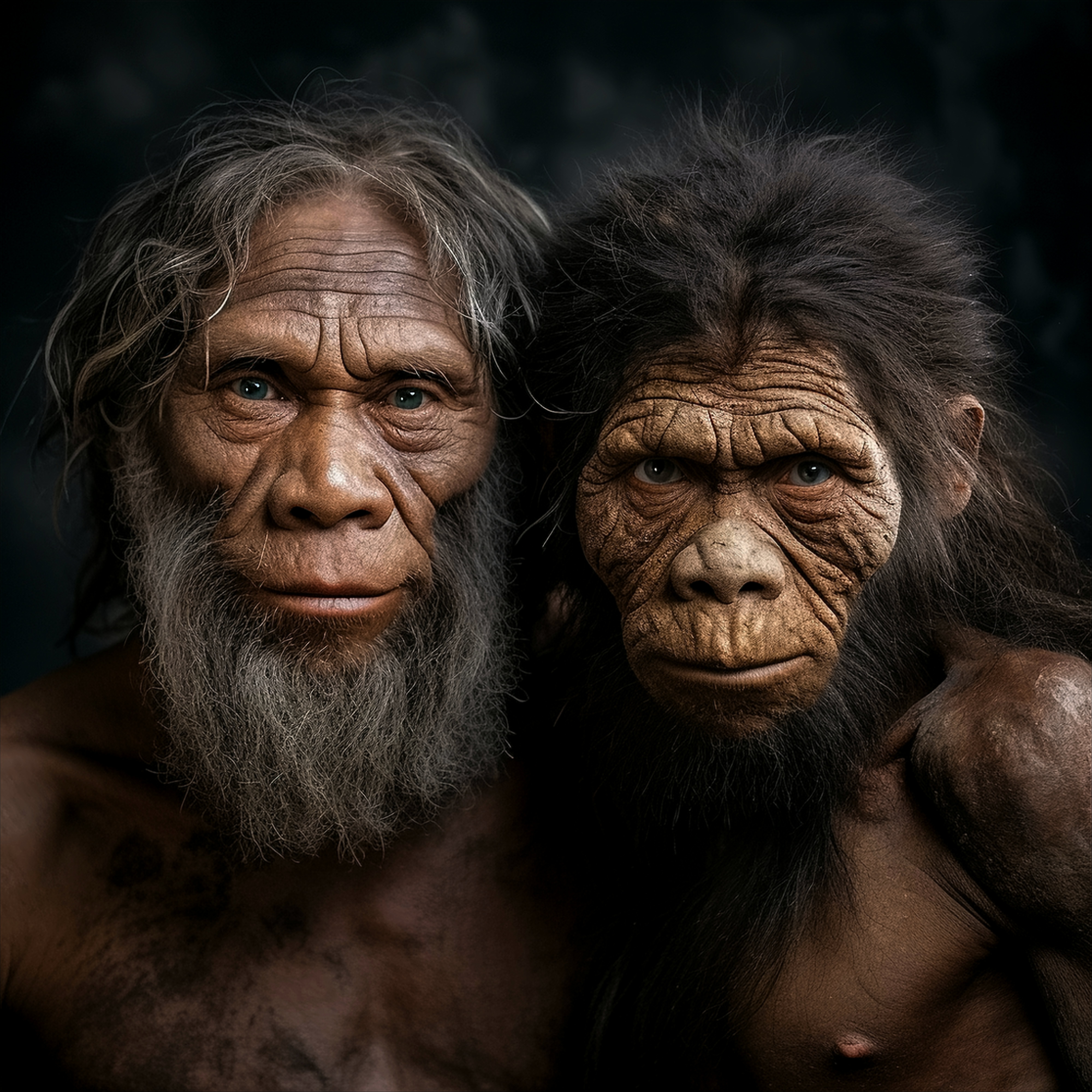
We suspect those landscapes shaped us as much as our evolutionary needs to survive. Observers of patterns. Of complexities of wind, vegetation, predators, and prey. We see an exquisite and brutal dance playing out as the survival of our earliest and fittest humans passed their genes across time and geography…to us. Our fit passed. Our failures disappeared. Could we look through ancient eyes, we would see lifetimes of struggle writ on facial landscapes as furrowed as the environments in which we learned. Million-year stares reflecting Paleolithic mysteries defining what it means to be human. Simple survival was humanity’s first great lesson and test. Hunting the land’s game and foraging its landscapes became our practical answers for at least 90% of our human existence.
In both mind and heart, we were hunters and gatherers of the land’s resources. We read its clues and adapted. Larger predators sought to make us meals. We developed spears to ensure they didn’t. Wilderness plants promised food. We learned to distinguish between edible and poisonous. We were one with the land by necessity. Small numbers and humble technology kept that oneness sustainable for millennia.
But even in our earliest years, we sought to ease our survival challenges through shaping the land. We’ve left behind hints – tiny lost puzzle pieces dropping into our larger puzzle picture. Even though we were principally gatherers, these pieces suggest Paleolithic environmental changes in woodland vegetation due to our human activity. We manipulated vegetation to encourage the growth of specific plants. Practiced rotational gathering to maintain yields. We controlled underbrush by fire to provide more human-useable land. All to assist our gathering and increasing its yield.
As hunters, we also tried to regulate our hunting practices to avoid the extinction of various large animals and overtaxing the environment. We’d found, to our dismay, that our hunting could impact large herbivorous mammals, leading to the disappearance of species in regions where we arrived. These earliest small attempts were born of necessity. We depended upon the land.
This survival struggle shaped our thinking, as well as our actions. We learned cooperation. Lessons of collaboration layered upon the survival of our fit across millennia. That we feel obligations to kin. To our group. That we expect leaders to act with bravery, strength, and generosity – and that we reciprocate with deference. That we show fairness, one to another. Socio-cultural evolution driven by our dependence upon our lands.
We sought to understand the bigger picture. Tiny puzzle pieces evidenced by cave art, burial sites, and bone discoveries suggest we practiced rituals. We raised our voices to gods as we struggled with our dependence upon the land and its bounty. Our hunter needs were refigured by shaman leaders. Mother Earth nurtured us. The life cycles of our prey illustrated stories of birth and rebirth, as did the seasons of nature and earth. Rituals joined our rudimentary environmental practices. Supplication and sacrifice promised an endless supply of hunted prey. Therianthropy, the mythological ability of humans to transform into animals or hybrids, helped us better understand and visualize our prey.
Other puzzle pieces point to such myth exchanges between hunter-gatherer societies after migrations out of Africa around 65,000 years ago. It is supported by the detection of universal mental characteristics and common myths in those pre-exodus times. Forms that still underlie our thinking today.
And so, we were one with our land in both mind – and heart. Practice and feeling. Both reader of the environment and teller of tales. We came from the land. We acutely read its signals. And we developed thinking that would give meaning to it all. Spanning hundreds of thousands of years until the lessons were burned into the very essence of our genes.
This practice and mentality carried us until some 12,000 years ago when Neolithic food-producing societies replaced the pragmatics of our hunter-gathering lifestyle with a more sedentary agrarian relationship with the land.
We would change our relationship with our lands…and the impacts would change our world.
 BALANCE THE TRIANGLE LABS